

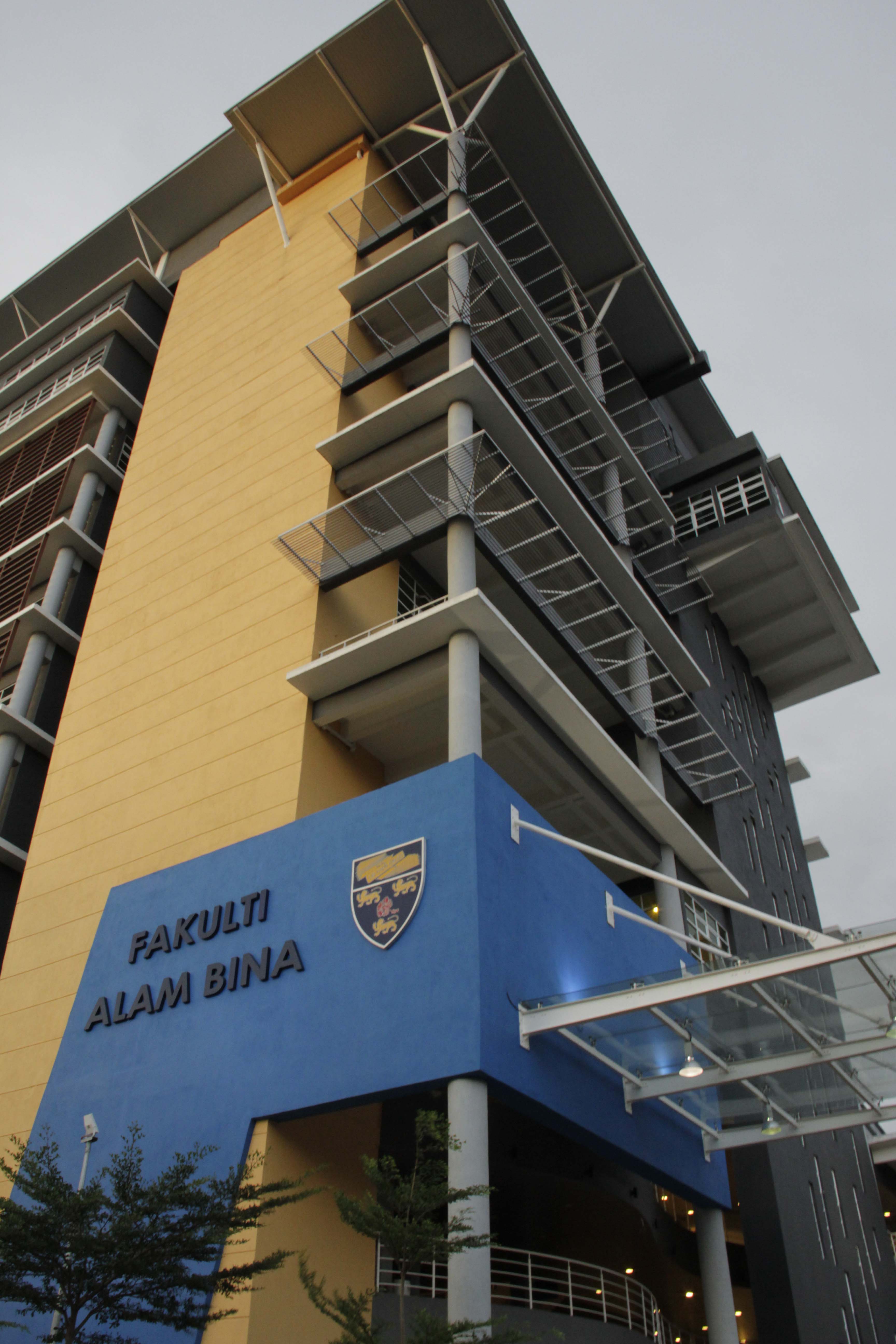
As urbanization accelerates worldwide, the demand for professionals who can integrate environmental, social and economic sustainability into urban planning and policy has never been greater. The Master Of Sustainable Urbanism (MSU) program provides a comprehensive understanding of sustainable urban development, blending urban planning, governance, environmental sustainability, and smart city innovations. With a hands-on approach through research projects and industry collaborations, students gain real-world insights into addressing complex urban challenges such as climate change, urban resilience, housing, mobility, and resource management.
A GLOBAL PERSPECTIVE
Cities across the world face pressing sustainability challenges, and MSU offers a comprehensive, internationally relevant curriculum. Students gain exposure to global case studies, best practices, and policy frameworks that shape urban sustainability, ensuring they are well-equipped to contribute on an international scale.
STRONG INDUSTRY ENGAGEMENT
MSU bridges the gap between academia and industry by fostering close collaborations with city councils, government agencies, private developers, and international organizations. Through guest lectures and collaborative projects, students gain hands-on experience in shaping sustainable urban solutions.
FUTURE-PROOF CAREER PATHWAYS
With sustainability becoming a global priority, MSU graduates are in high demand across various industries, including urban planning, environmental consultancy, smart city development, and policy advisory roles. The program prepares students for leadership positions in both public and private sectors, ensuring they play a vital role in designing the cities of tomorrow.
PEO01 | Graduates of the Master of Sustainable Urbanism programme acquire added value in knowledge disciplines related to planning and development, encompassing the built environment, social sciences, and data science. |
PEO02 | Graduates of the Master of Sustainable Urbanism programme enhance their functional work skills through growth and opportunities within their professional careers. |
PEO03 | Graduates of the Master of Sustainable Urbanism programme are able to engage effectively with society in relevant fields. |
Mapping Programme Learning Outcomes (PLOs) to PEOs :
PLO01 | Synthesize knowledge, skills, and good management practices in the fields of planning, the built environment, social sciences, and data science. |
PLO02 | Integrate knowledge and capabilities in addressing urban governance issues using critical, creative, and innovative approaches. |
PLO03 | Demonstrate leadership qualities through functional work skills (communication, interpersonal skills, and data analysis). |
PLO04 | Foster readiness for career advancement in planning, the built environment, social sciences, and data science for lifelong learning in both public and private sectors. |
PLO05 | Demonstrate proficiency in using a range of digital technologies and appropriate software to enhance research, work, and practice. |
PLO06 | Exhibit autonomy, independence, leadership, and strong interpersonal skills in the workplace. |
PLO07 | Foster readiness for career advancement in planning, the built environment, social sciences, and data science for lifelong learning in both public and private sectors. |
PLO08 | Instil values of integrity and accountability in social, economic, and environmental governance within any development context. |
PLO09 | Practice ethically and professionally. |
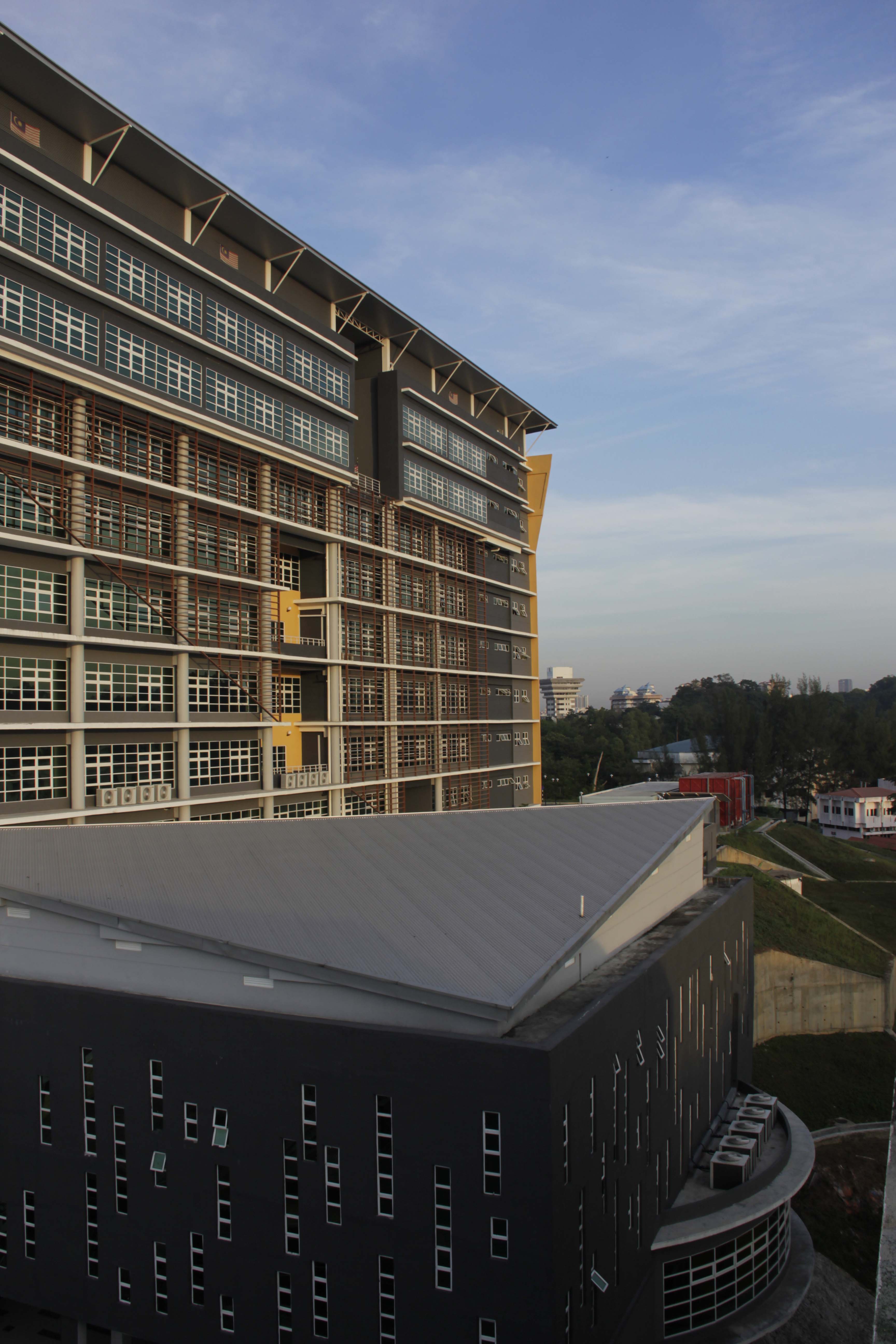

PROGRAMME DURATION
(FULL TIME)
Minimum : 1 year (2 Semesters + 1 Special Semester)
Maximum : 4 years (8 Semesters)
(PART TIME)
Minimum : 2 years (4 Semesters + 1 Special Semester)
Maximum : 8 years (16 Semesters)
PROGRAMME STRUCTURE (43 CREDITS)


Semester 1 of the academic year commences in September.
https://pgadmission.um.edu.my

Last Update: 05/06/2026
 Back
Back